
High Blood Pressure Numbers Explained: Normal, Elevated, Stage 1 and Stage 2
Written by Cherlie Joseph, MSN, FNP-BC · Medically reviewed by Naurah Gaspard, DNP, FNP-C, FNP-BC · Updated November 2026
Normal blood pressure is below 120/80 mm Hg. Under the 2025 American Heart Association and American College of Cardiology guideline, 120 to 129 over less than 80 is elevated, 130 to 139 or 80 to 89 is stage 1 high blood pressure, and 140/90 or higher is stage 2. For most adults with high blood pressure, the treatment goal is below 130/80.
In this guide
Blood pressure categories at a glance
Blood pressure has two numbers. The top (systolic) number is the pressure when your heart beats; the bottom (diastolic) is the pressure between beats. If your two numbers fall in different categories, the higher category applies.
| Category | Top number (systolic) | Bottom number (diastolic) | |
|---|---|---|---|
| Normal | Less than 120 | and | Less than 80 |
| Elevated | 120 to 129 | and | Less than 80 |
| Stage 1 high blood pressure | 130 to 139 | or | 80 to 89 |
| Stage 2 high blood pressure | 140 or higher | or | 90 or higher |
| Severe (check again and seek care) | Higher than 180 | and/or | Higher than 120 |
One high reading does not mean you have high blood pressure. Diagnosis is based on an average of readings taken on separate occasions, ideally confirmed with home or out-of-office readings.
What changed in the 2025 guideline
The categories did not change from 2017, but the 2025 AHA/ACC guideline puts more weight on acting early:
- Goal: below 130/80 for most adults being treated, with a top number below 130 also encouraged to protect brain health.
- Earlier treatment: Lifestyle changes come first for elevated and many stage 1 readings, and medicine is added when they are not enough or your heart risk is higher.
- Two medicines to start for stage 2: For readings of 140/90 or higher, the guideline favors starting two medicines, ideally in a single combination pill.
- Risk calculator: Clinicians are encouraged to use the PREVENT calculator, which estimates heart disease risk using blood pressure, cholesterol, kidney and metabolic health.
- A new urine test: A urine albumin-to-creatinine ratio is now recommended for everyone with high blood pressure to check for early kidney effects.
- Home monitoring is recommended to confirm the diagnosis and guide treatment.
On blood pressure medicine?
$79 refill review by a nurse practitioner licensed in your state. Adults 18+ in FL, NM, OR and WA.
Request a medication refill →How to get an accurate reading
- Use a validated upper-arm cuff that fits your arm (wrist cuffs are less reliable).
- Avoid caffeine, exercise and smoking for 30 minutes before.
- Empty your bladder, then sit quietly for 5 minutes with your back supported and feet flat.
- Rest your arm on a table at heart level and do not talk.
- Take two readings a minute apart, morning and evening, and write them down or save them in an app.
Bring your log or your cuff to visits. Home readings can reveal "white coat" high blood pressure (high only at the office) or "masked" high blood pressure (normal at the office but high at home).

Lowering your numbers
Lifestyle changes can lower blood pressure meaningfully, and they also make medicines work better:
- Cut back on sodium; many processed and restaurant foods are the biggest sources.
- Eat more vegetables, fruit, beans and low-fat dairy, as in the DASH eating plan.
- Aim for about 150 minutes a week of moderate activity, such as brisk walking.
- Lose weight if you have extra, limit alcohol, stop smoking and treat sleep apnea if you have it.
Common first medicines include ACE inhibitors (such as lisinopril), ARBs (such as losartan), calcium channel blockers (such as amlodipine) and thiazide-type diuretics. Do not stop a blood pressure medicine on your own, even if your numbers look good; that often means it is working.
When an online visit can help
If your blood pressure is already diagnosed and stable, a nurse practitioner licensed in your state can review your recent home readings and medicines online and renew a non-controlled blood pressure prescription when it is safe to do so. You may need periodic labs, such as kidney function and potassium, which can be done at a local lab. New, very high or rapidly changing readings need a fuller evaluation.
Get in-person care or call 911 if you have:
- A reading higher than 180/120 with chest pain, shortness of breath, back pain, numbness or weakness, vision changes or trouble speaking: call 911
- Sudden severe headache, confusion or signs of stroke (face drooping, arm weakness, slurred speech)
- A reading higher than 180/120 without symptoms: wait 5 minutes and recheck; if it is still that high, contact a provider right away
- High blood pressure during pregnancy or after recently giving birth with headache, vision changes or swelling
Frequently asked questions
Is 130/80 considered high blood pressure?
Yes. Under the AHA/ACC guideline, a top number of 130 to 139 or a bottom number of 80 to 89 is stage 1 high blood pressure. Treatment often starts with lifestyle changes, with medicine added based on your readings and overall heart risk.
What is a normal blood pressure for adults?
Normal blood pressure is less than 120 over less than 80 mm Hg. Readings of 120 to 129 over less than 80 are considered elevated.
Can I renew my blood pressure medication online?
If your blood pressure is diagnosed, stable and monitored, a nurse practitioner licensed in your state can review your readings and history online and may renew a non-controlled blood pressure medicine when appropriate. Some people will need labs or an in-person visit first.
Sources
- AHA/ACC 2025 high blood pressure guideline highlights (news release)
- American Heart Association: Understanding blood pressure readings
- CDC: High blood pressure facts
Keep reading
- Blood pressure medication refills online
- Comprehensive metabolic panel explained
- Online prescription refills in Florida
- Browse all conditions and treatments A to Z
On blood pressure medicine?
$79 refill review by a nurse practitioner licensed in your state. Adults 18+ in FL, NM, OR and WA.
Request a medication refill →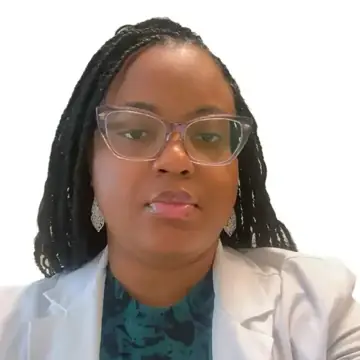
Cherlie Joseph, MSN, FNP-BC
Board-certified family nurse practitioner licensed in Florida, caring for adults online at OurTopClinic. Meet our providers.
This article is for general education and is not a substitute for medical advice. Treatment, including any prescription, is decided by a licensed provider after reviewing your health history. OurTopClinic is not for emergencies; if you have a medical emergency, call 911. OurTopClinic serves adults located in Florida, New Mexico, Oregon and Washington. Learn more at ourtopclinic.com.
