
Early Signs of Type 2 Diabetes: 10 Symptoms Adults Often Miss
Written by Cherlie Joseph, MSN, FNP-BC · Medically reviewed by Naurah Gaspard, DNP, FNP-C, FNP-BC · Updated November 2026
Early signs of type 2 diabetes include peeing more often, feeling very thirsty or hungry, tiredness, blurry vision, cuts that heal slowly, frequent yeast infections or UTIs, tingling in the hands or feet, and dark patches of skin on the neck or armpits. Many people have no symptoms at all for years, so a simple A1c or fasting glucose blood test is the only reliable way to know.
In this guide
Why type 2 diabetes is easy to miss
Type 2 diabetes usually develops slowly. The CDC notes that symptoms can take years to show up, and some people never notice any. By the time symptoms are obvious, blood sugar has often been high for a while. That is why screening matters more than waiting for signs.
When blood sugar is high, your kidneys work to flush out the extra sugar, which pulls water with it. That explains many of the classic early signs: more urination, thirst and feeling run down.
10 early signs to watch for
- Peeing more often, especially waking up at night to go.
- Increased thirst or a dry mouth that does not go away.
- More hunger than usual, even after eating.
- Losing weight without trying.
- Fatigue or feeling drained most of the day.
- Blurry vision that comes and goes.
- Cuts, sores or wounds that heal slowly.
- Frequent yeast infections or UTIs. Extra sugar can feed yeast and bacteria. Our guide to yeast infections and diabetes explains the link.
- Numbness or tingling in the hands or feet.
- Dark, velvety patches of skin on the back of the neck, armpits or groin (acanthosis nigricans), a sign of insulin resistance.
Feeling irritable or moody can also happen. None of these signs alone proves diabetes, and many have other causes, but two or more together are a good reason to get tested.
Request a medication refill
$79 refill review by a nurse practitioner licensed in your state. Adults 18+ in FL, NM, OR and WA.
Request a medication refill →Who should get tested
The American Diabetes Association recommends screening all adults starting at age 35, and earlier if you have overweight or obesity plus one or more risk factors:
- A parent, brother or sister with type 2 diabetes
- Being Black, Hispanic/Latino, American Indian, Asian American or Pacific Islander
- High blood pressure, high triglycerides or low HDL cholesterol
- Polycystic ovary syndrome (PCOS)
- A history of gestational diabetes
- Prediabetes on a past test (recheck at least yearly)
- Being physically inactive
If results are normal, most adults are rechecked at least every 3 years.

Which tests diagnose diabetes
| Test | Diabetes range | Notes |
|---|---|---|
| A1c | 6.5% or higher | No fasting needed; shows about 3 months of blood sugar |
| Fasting plasma glucose | 126 mg/dL or higher | Nothing to eat or drink but water for at least 8 hours |
| Oral glucose tolerance test | 200 mg/dL or higher at 2 hours | Used less often; takes about 2 hours at the lab |
| Random glucose | 200 mg/dL or higher | Counts only with classic symptoms |
Without clear symptoms, a diagnosis is usually confirmed with a second abnormal result. Results in between (A1c 5.7% to 6.4%) mean prediabetes, which can often be turned around; see our guide on reversing prediabetes.
What happens if you are diagnosed
A type 2 diabetes diagnosis is very manageable, and earlier treatment protects your eyes, kidneys, nerves and heart. Treatment usually starts with eating changes, movement and weight loss if needed, often alongside metformin. Many people also benefit from newer medicines such as GLP-1 or SGLT2 medicines, especially with heart or kidney disease. Your provider will also check blood pressure, cholesterol, kidney function and an eye exam.
At OurTopClinic, a nurse practitioner licensed in your state can order an A1c and metabolic panel at a nearby lab, review the results with you, and help you plan next steps or refill diabetes medicines you already take. Diagnosis and any prescription are decided after reviewing your history and labs.
Get in-person care or call 911 if you have:
- Vomiting, belly pain, deep or fast breathing, fruity-smelling breath, or confusion (possible diabetic ketoacidosis)
- Extreme thirst and urination with weakness, dizziness, or trouble staying awake
- A foot sore that is red, swollen, draining or smells bad, especially with fever
- Sudden vision loss, chest pain, or weakness on one side of the body
Frequently asked questions
What does diabetes fatigue feel like?
Many people describe a heavy, drained tiredness that does not improve much with rest, sometimes worse after meals. Fatigue has many causes, so pair it with other signs and a blood test rather than guessing.
Can you have type 2 diabetes and not know it?
Yes. Type 2 diabetes often causes no symptoms for years. That is why the ADA recommends screening all adults starting at age 35, and earlier if you have risk factors.
What are the first signs of diabetes in women?
Women have the same core signs as men, such as thirst, frequent urination and fatigue, plus frequent vaginal yeast infections or UTIs. PCOS and a history of gestational diabetes raise the risk.
Sources
- CDC: Symptoms of Diabetes
- American Diabetes Association: Diagnosis and Classification of Diabetes, Standards of Care in Diabetes 2026
- NIDDK (NIH): Symptoms and Causes of Diabetes
Keep reading
- What does an A1c test show?
- Can you reverse prediabetes?
- Yeast infections and diabetes
- Comprehensive metabolic panel (CMP) explained
- Browse all conditions and treatments A to Z
Request a medication refill
$79 refill review by a nurse practitioner licensed in your state. Adults 18+ in FL, NM, OR and WA.
Request a medication refill →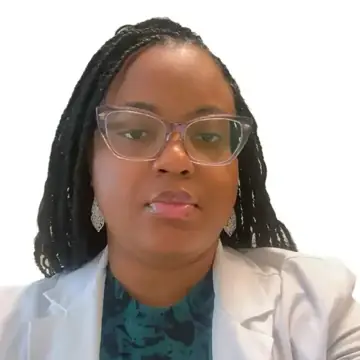
Cherlie Joseph, MSN, FNP-BC
Board-certified family nurse practitioner licensed in Florida, caring for adults online at OurTopClinic. Meet our providers.
This article is for general education and is not a substitute for medical advice. Treatment, including any prescription, is decided by a licensed provider after reviewing your health history. OurTopClinic is not for emergencies; if you have a medical emergency, call 911. OurTopClinic serves adults located in Florida, New Mexico, Oregon and Washington. Learn more at ourtopclinic.com.
